The Plan
We have hit the ground running and are kicking off 2021 with a bang!
The type of cerebral palsy (CP) Elliott has is hemiplegia/hemiparesis spastic CP. Spastic CP is by far the most common type, with about 70-80% of cases. Hemiplegia/hemiparesis refers to paralysis or paresis of one side of the body, and spasticity may include stiffness, permanently tightened muscles, and abnormal gait (walk).
Due to the nature of where the stroke took place in Elliott's brain at birth, cerebral palsy has affected the right side of his body. That is why we have been, and remain, in occupational therapy services for his right hand since he was a baby. This is also why the CP is focused only on his right ankle/leg.
As he has undergone growth spurts, his brain has not sent appropriate signals to the muscles in his right leg, resulting in increased spasticity and tone. This has also meant that over time, the muscles in his right leg won't grow at the same rate, and the left side of his body will have to do a lot of overcompensating.
This is where the intervention becomes relevant.
First up, Botox. Yes, you read that right- BOTOX. My two-year-old son is getting Botox before his mother... All joking aside, the Botox is intended to loosen the muscles in his calf so that he can put his foot fully on the ground, and the doctors can more easily move his leg into an optimal position. 90 degrees is the 'optimal' position, whereas he is currently approximately 130 degrees. Placing the foot in this position will help retrain his brain to send appropriate signals to his leg, enabling him to bear full weight on his foot and use the leg appropriately.
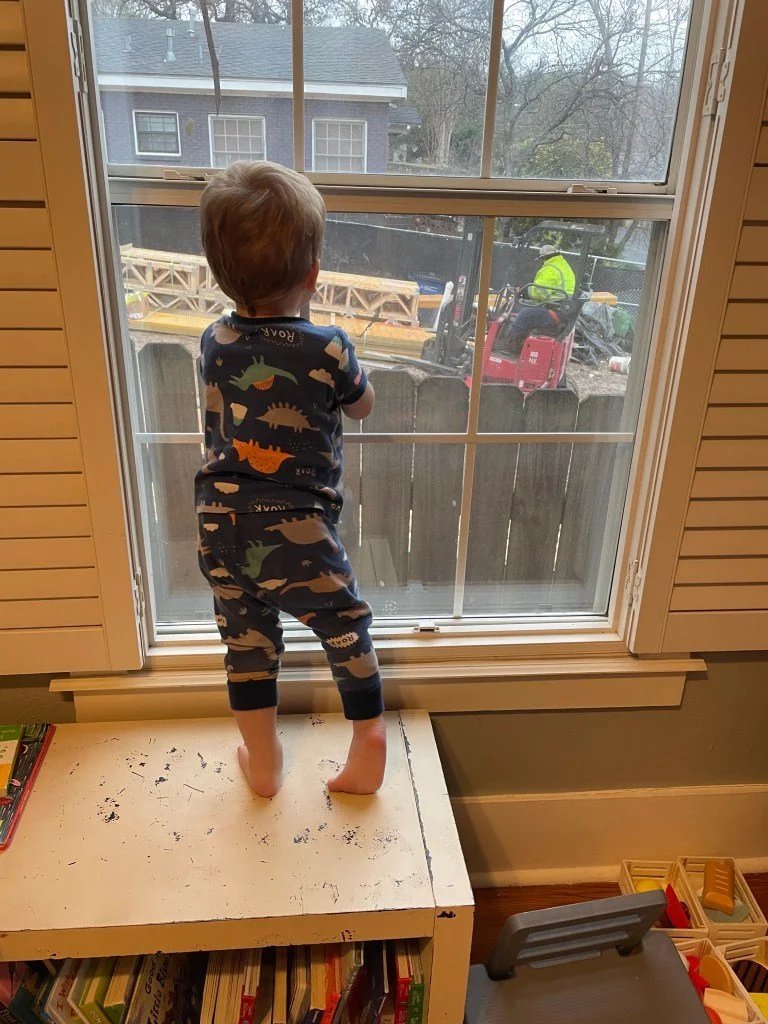
Second up, serial casting. This is just like a cast you would get when you break your leg. The cast will be applied two weeks after the Botox, when the leg muscles are most malleable and easiest to maneuver. The casting will most likely last approximately 3 weeks, with a new cast applied every week.
Third up, brace. This is long-term. Elliott will be fitted for a brace after approximately two weeks of casting, as his leg should be in a more 90-degree position by then. The brace will be worn continuously, except during bathing and bedtime. It will extend from his foot to just below his knee.
The process leading up to a brace will take about 6 weeks, and the brace will remain in place until approximately 6 or 7 years of age. At that point, he will have grown enough to be eligible for surgery. I don't know the details of the surgery at this point, but I do know that they would likely cut his Achilles tendon to help the muscles grow to their full potential. Time will tell as we get closer to that point in years to come, and how he responds to the brace and treatments.
Overall, this is a give-and-take among these treatments. It is not a one-and-done. Botox may need to be repeated, and the same applies to casting. We will know how his body responds to the treatments once we start them, which will give us a better plan of what to expect. Only time will tell.
“Be faithful in small things because it is in them that your strength lies.”
